

CO2 Solenoid Valve Shopping Guide - 5 Real Products Compared
If your regulator did not come with a solenoid, or its stock one has died, you have a few real options rather than just one generic part. Voltage, mounting style and whether you want it bundled into a smarter controller all change which product makes sense. Below are five real products worth looking at, with links to their Amazon listings so you can check current pricing and reviews before buying.
Quick comparison
| Product | Voltage | Type | Best for |
|---|---|---|---|
| YUHOME Solenoid Valve | 12V DC | Standalone replacement | Quiet, low-power standalone valve |
| Doradus Magnetic Solenoid Valve | 110V/220V AC | Standalone replacement | Older regulators built for AC solenoids |
| Zerodis Fish CO2 Solenoid Valve | 12V DC | Standalone, budget | Cheapest way to add electronic on/off |
| Replacement CO2 Solenoid | 110V AC | Standalone, NPT threaded | Regulators needing a direct threaded replacement |
| Hygger CO2 Regulator with Motorized Valve | 12V DC, motorized | Bundled smart kit | Wanting a smart valve without sourcing parts separately |
YUHOME Solenoid Valve
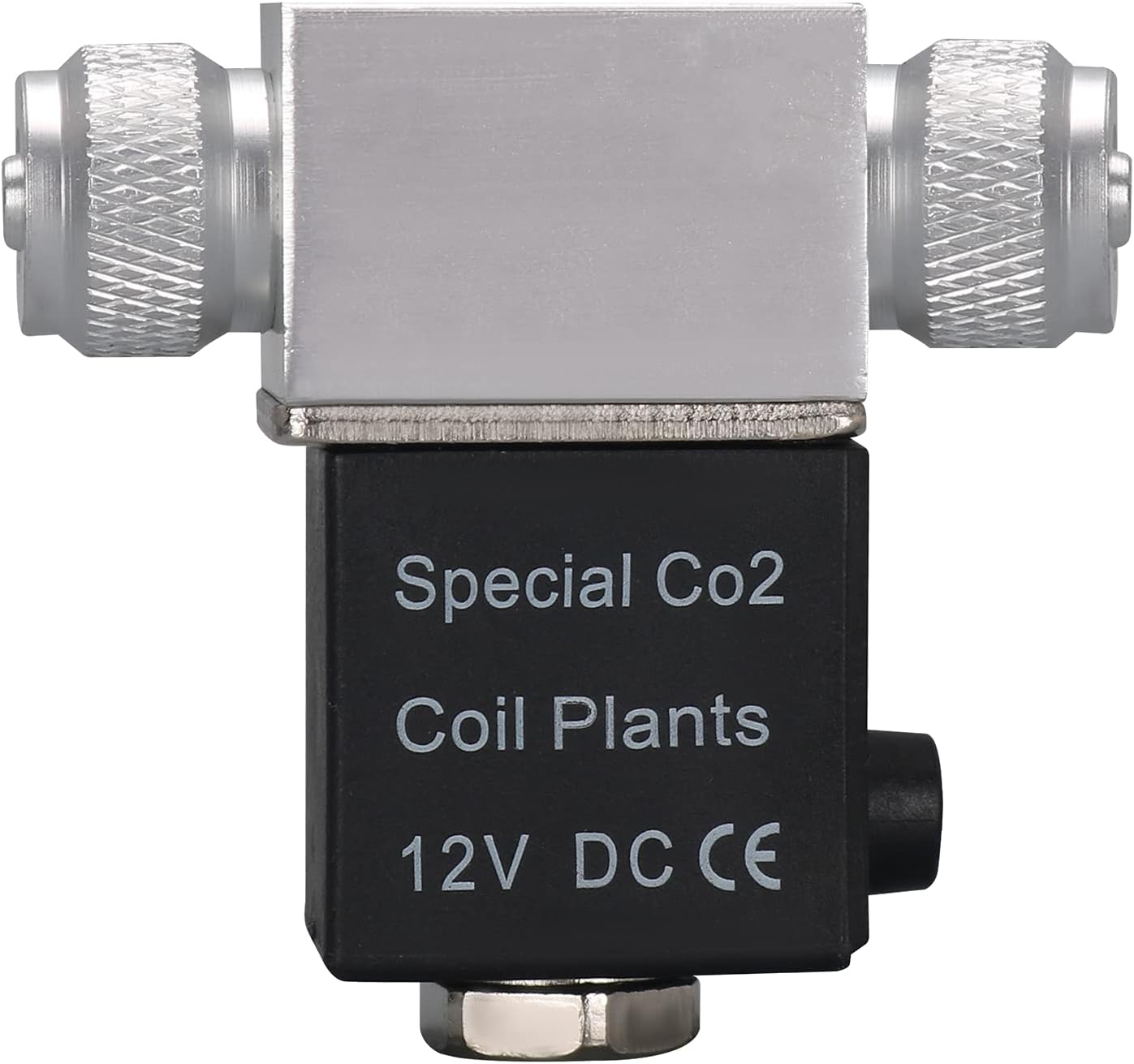
The YUHOME solenoid valve is a standalone 12V DC replacement valve built to swap in for a failed or missing solenoid on existing CO2 regulator setups, without needing a full new regulator.
What you get
- Low-voltage 12V DC coil runs cooler and quieter than older AC solenoid designs.
- Connects to standard 4mm/6mm tubing or a bubble counter directly, no extra adapters needed for most setups.
Where it falls short
- Needs a 12V DC power source; it will not run directly off mains voltage without one.
- As a bare valve, you still need to plumb it into your existing regulator and tubing yourself.
Doradus CO2 Magnetic Solenoid Valve
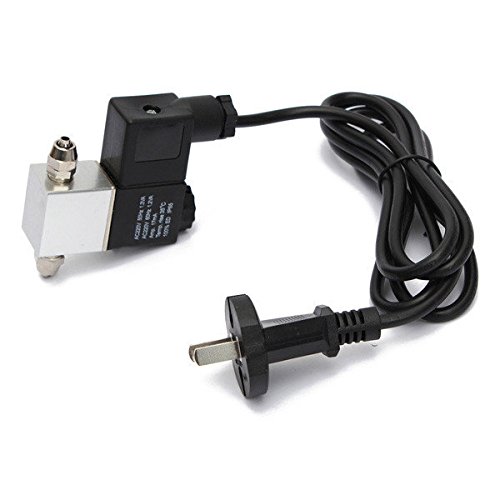
The Doradus solenoid valve runs on standard 110V or 220V mains power, matching the AC solenoid design still used by a lot of older or budget regulators that were never built for a low-voltage DC valve.
What you get
- Plugs straight into a wall outlet or a timer, no separate DC power adapter required.
- Compatible with both 110V and 220V mains, useful if you are replacing a valve on imported equipment.
Where it falls short
- AC solenoids generally run warmer and can hum slightly more than a 12V DC equivalent.
- Mains voltage on tank-side equipment means being more careful about keeping connections away from water and splashes.
Zerodis Fish CO2 Solenoid Valve
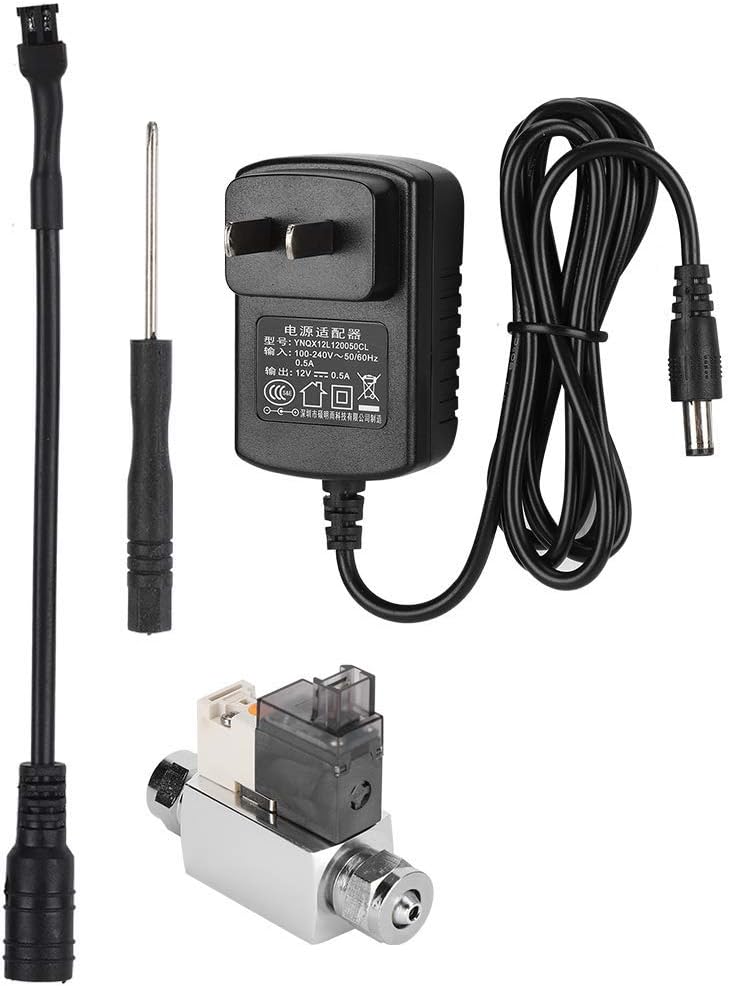
The Zerodis solenoid valve is the budget pick of this list, a simple low-temperature DC valve aimed at keepers who just want electronic on/off control added to an existing manual regulator as cheaply as possible.
What you get
- Lowest price point of any solenoid on this list, useful if you are upgrading a manual-only regulator on a budget.
- Can be paired with an outlet timer for basic automatic on/off scheduling.
Where it falls short
- Build quality and long-term reliability reports are more mixed than the better-known brands above.
- No bundled bubble counter or fittings beyond the valve itself, so budget for those separately if you do not already have them.
Replacement CO2 Solenoid (NPT Threaded)
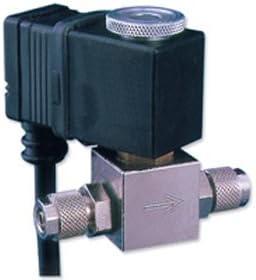
This replacement CO2 solenoid is built around a 1/8" NPT threaded body rather than push-fit barbs, which makes it a direct swap on regulators originally built with a threaded solenoid port instead of tubing connections.
What you get
- Threaded 1/8" NPT connection screws directly into compatible regulator bodies, no barb adapters needed on those models.
- Runs cool with low heat output, easing concerns about a warm solenoid sitting near tubing for long periods.
Where it falls short
- Only a fit for regulators with a matching threaded port; check your regulator's solenoid mount before buying.
- Comes as a bare valve with no bubble counter, wiring, or power adapter included.
Hygger CO2 Regulator with Motorized Valve
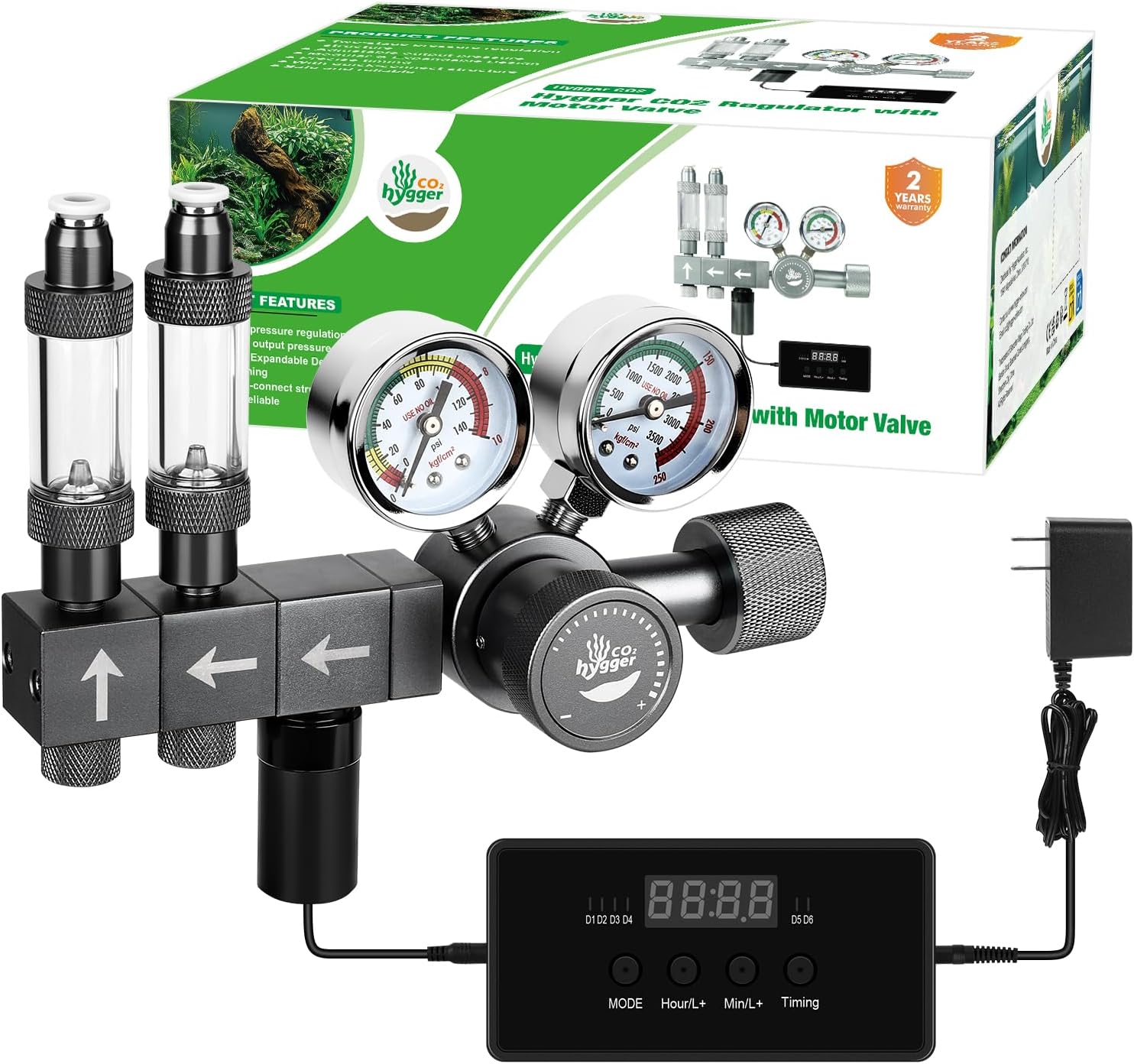
Rather than a bare valve, the Hygger motorized CO2 regulator bundles a smart, motorized valve into a complete dual-stage regulator kit, worth including here for anyone who would rather buy the smart valve pre-installed than source and wire one separately.
What you get
- Motorized valve gives finer, more gradual flow control than a simple solenoid snapping fully open or closed.
- Comes as a full kit: dual-stage regulator, bubble counter and timer-ready control, so nothing else to source separately.
Where it falls short
- This is a full regulator purchase, not a drop-in valve replacement, so it only makes sense if you are also open to replacing your existing regulator.
- Costs more than any standalone valve on this list, since you are paying for the whole system.
Which one should you buy
- Replacing a dead solenoid on an existing DC-powered regulator: the YUHOME valve is a clean, quiet swap.
- Your regulator was built for an AC solenoid: the Doradus valve matches that voltage without hunting for a step-down adapter.
- Just want basic electronic on/off as cheaply as possible: the Zerodis valve gets you there for the least money.
- Your regulator uses a threaded solenoid port: the NPT replacement solenoid is the direct fit.
- Starting fresh and want a smart valve without sourcing parts yourself: the Hygger motorized kit bundles it all together.
Final thoughts
Matching voltage and connection type to your existing regulator matters more than brand for a standalone solenoid valve purchase, so check your regulator's solenoid spec before ordering one of the bare valves above. If you are starting a system from scratch and want smart valve control without assembling it yourself, a bundled kit like the Hygger is the simpler path. Check current prices and reviews on the Amazon links above before buying.