
3 CO2 Diffusers Worth Buying, From In-Tank Glass to Inline Atomizer
Picking a diffuser type is one thing, but once you know you want, say, a glass bubble diffuser or an inline atomizer, you still have to choose an actual product. Prices and build quality vary a lot between brands even within the same diffuser category, and a few names come up again and again in planted-tank communities for being reliable rather than just cheap. Below are three real products worth looking at, one from each of the major diffuser styles, with links to their Amazon listings so you can check current pricing, reviews and photos for yourself before buying.
Quick comparison
| Product | Style | Install location | Best for |
|---|---|---|---|
| UP Aqua CO2 Glass Diffuser | In-tank glass, ceramic disc | Suction-cupped inside the tank | First CO2 setup, small-medium tanks |
| JARDLI Pollen Glass CO2 Diffuser | In-tank glass, ceramic bowl | Suction-cupped inside the tank | Aquascapers wanting a finer mist and cleaner look |
| CO2Art In-line Diffuser V2 | Inline atomizer | Spliced into canister filter outlet hose | Larger or high-tech tanks, nothing visible in-tank |
UP Aqua CO2 Glass Diffuser
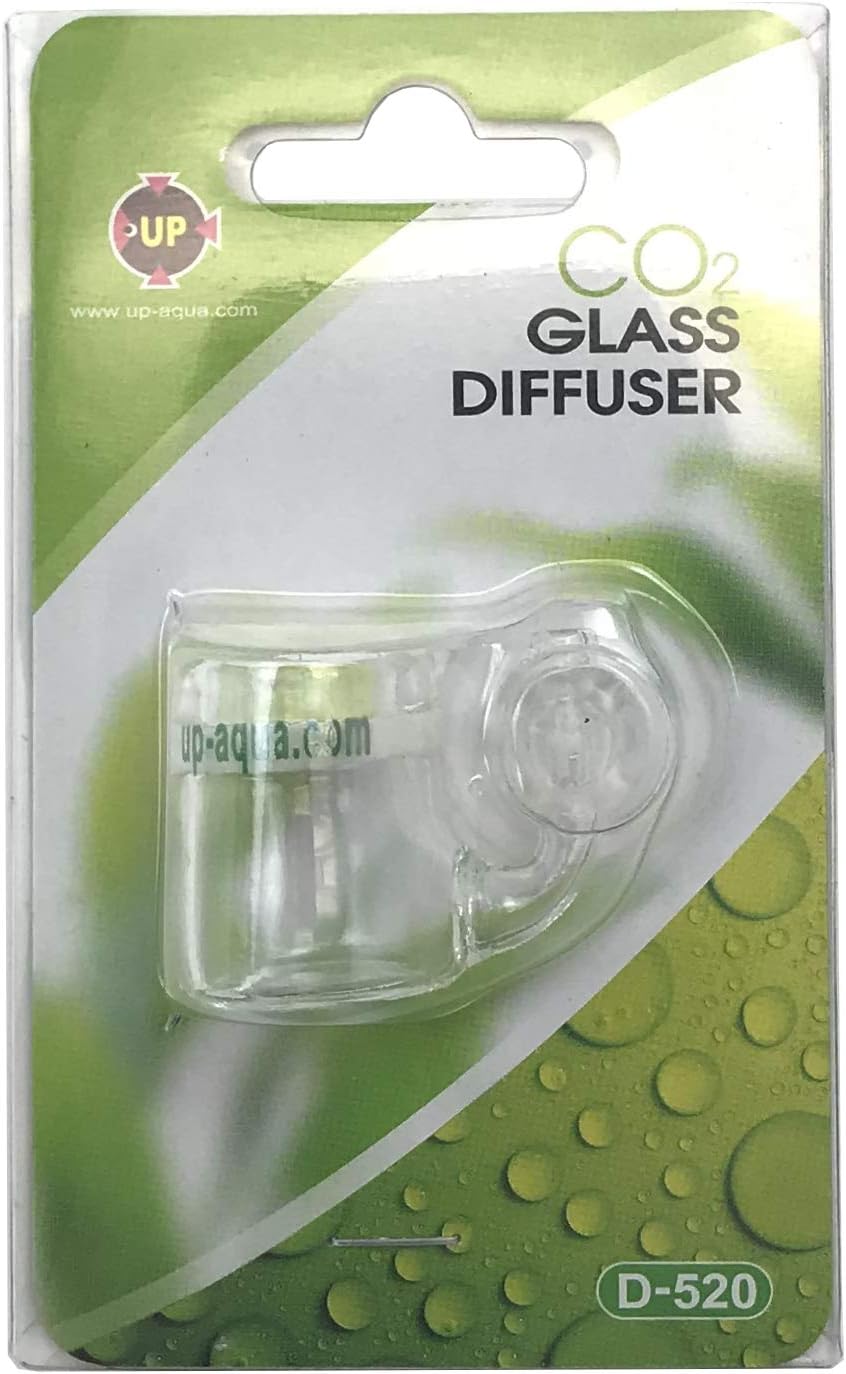
UP Aqua's glass diffusers are one of the most recommended entry-level glass diffusers in the hobby, and for good reason: the ceramic disc is finer than most budget alternatives, which means smaller bubbles and better dissolution without paying premium prices. The D-520 series comes in several sizes so it is easy to match to tank volume, from small nano setups up to medium-sized planted tanks.
What you get
- A glass bulb body with a built-in suction cup, sized for a range of tank volumes.
- A ceramic disc sealed into the base that breaks CO2 into a steady stream of fine bubbles.
- Simple installation: standard CO2-safe tubing pushes onto the barbed inlet, no filter required.
Where it falls short
- The disc still needs periodic cleaning as biofilm builds up and bubbles get coarser over time.
- Being a glass in-tank piece, it is visible in the aquascape, which matters if you want a clean front-of-tank view.
It is a solid first diffuser if you are moving up from a DIY ladder setup and want something that sits neatly in the tank without a big outlay.
JARDLI Pollen Glass CO2 Diffuser
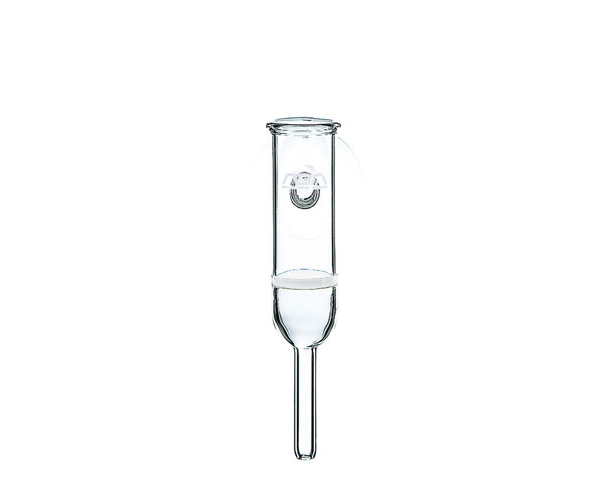
The JARDLI Pollen Glass diffuser is built in the same "pollen glass" style that a lot of aquascapers favor for in-tank glass diffusers: a wide, flat ceramic bowl instead of a narrow disc, which spreads CO2 into a finer, more even mist than a standard bubble-counter design. The glasswork itself is meant to sit in the aquascape rather than be hidden, and it ships with a glass U-shape connecting tube and suction cups for mounting.
What you get
- A wider ceramic bowl than a standard glass diffuser, for a finer, more even mist.
- Comes in multiple sizes matched to different tank ranges, from nano tanks up to larger setups.
- Includes the glass U-tube and suction cups needed for a complete in-tank installation.
Where it falls short
- Costs noticeably more than a basic glass bubble-counter like the UP Aqua above.
- The wide ceramic bowl is more exposed glasswork than a compact diffuser, so it needs a bit more care when cleaning or repositioning.
That premium is mostly about diffusion fineness and how it looks in the tank rather than a dramatic jump in raw CO2 efficiency over a cheaper glass diffuser.
CO2Art In-line Diffuser V2
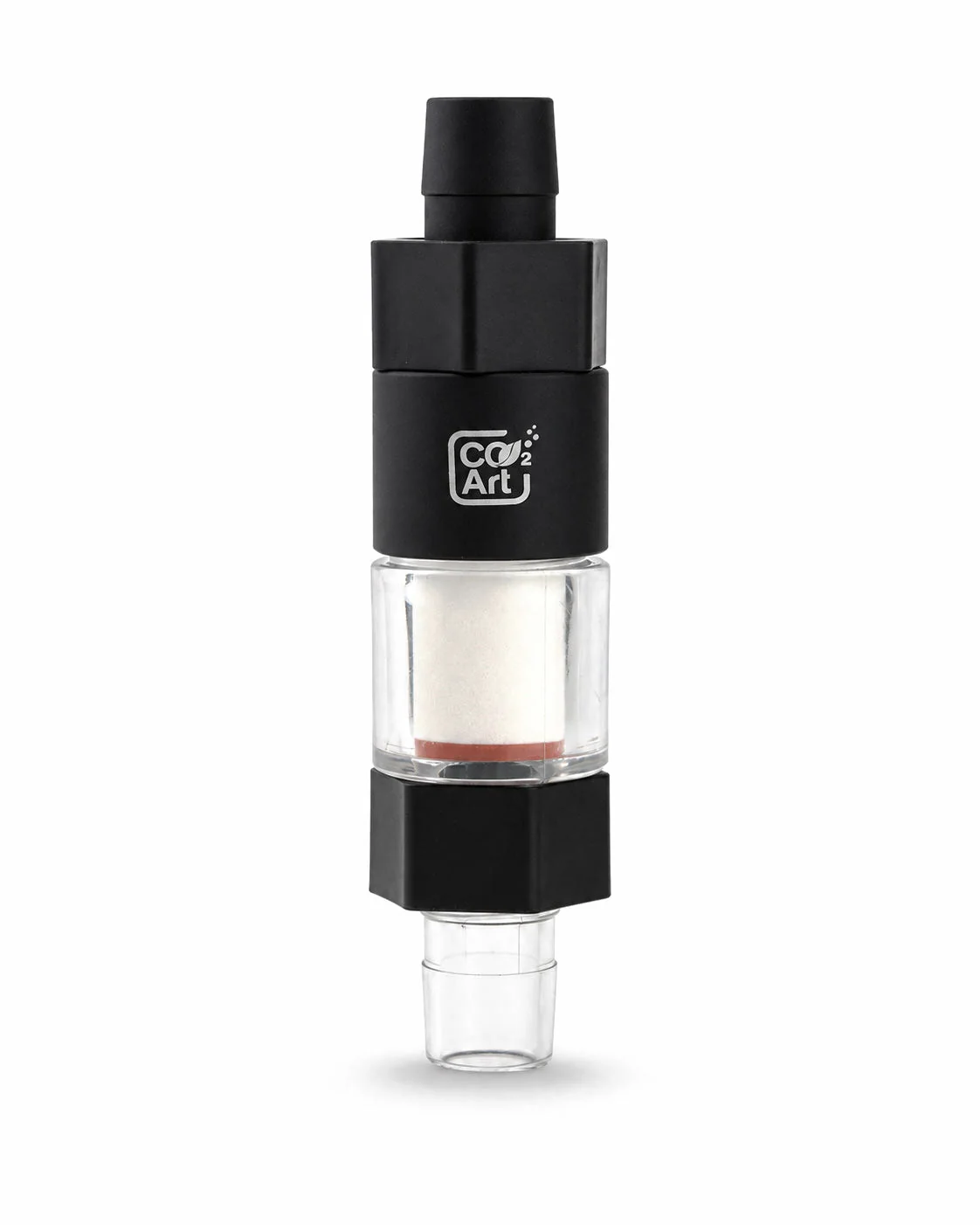
For a completely different approach, the CO2Art in-line diffuser mounts directly into a canister filter's outlet hose instead of sitting inside the tank. CO2 is injected into the flow just before a porous ceramic membrane, and the filter's own flow shreds it into a fine mist that is essentially invisible by the time it reaches the aquarium.
What you get
- A complete kit with quick-connect hose locks, sized for common canister filter tubing diameters.
- A replaceable ceramic membrane, so the diffusing element can be swapped without replacing the whole unit.
- Nothing visible inside the display tank, which matters a lot for aquascapers chasing a clean look.
Where it falls short
- Requires a canister filter with enough flow and working pressure to push CO2 through the membrane effectively; it is not an option on a hang-on-back or sponge filter setup.
- Installation means cutting into and reconnecting filter tubing, which is more involved than suction-cupping a diffuser inside the tank.
- Higher upfront cost than either of the in-tank glass options above.
It is the pick for anyone who wants zero hardware visible in the display tank and already runs a canister filter with the flow to support it.
Which one should you buy
- First CO2 setup, small to medium tank, in-tank is fine: the UP Aqua glass diffuser is the cheapest way in and works well once you learn to clean the disc regularly.
- You care about how the tank looks and want the finest in-tank mist: the JARDLI Pollen Glass diffuser trades a bit more cost for noticeably finer diffusion and a nicer piece of glasswork.
- You run a canister filter and want nothing visible in the tank at all: the CO2Art in-line diffuser is worth the extra cost and install effort, especially on larger or high-tech tanks where a visible diffuser would otherwise dominate the aquascape.
Final thoughts
Even from just these three, the pattern holds: in-tank glass diffusers trade off price for diffusion fineness and aesthetics within the same basic design, while an inline option like the CO2Art atomizer is a different category entirely, buying invisibility and consistency at the cost of needing the right filter and tubing. Check current prices and reviews on the Amazon links above before buying, since availability and pricing shift over time.